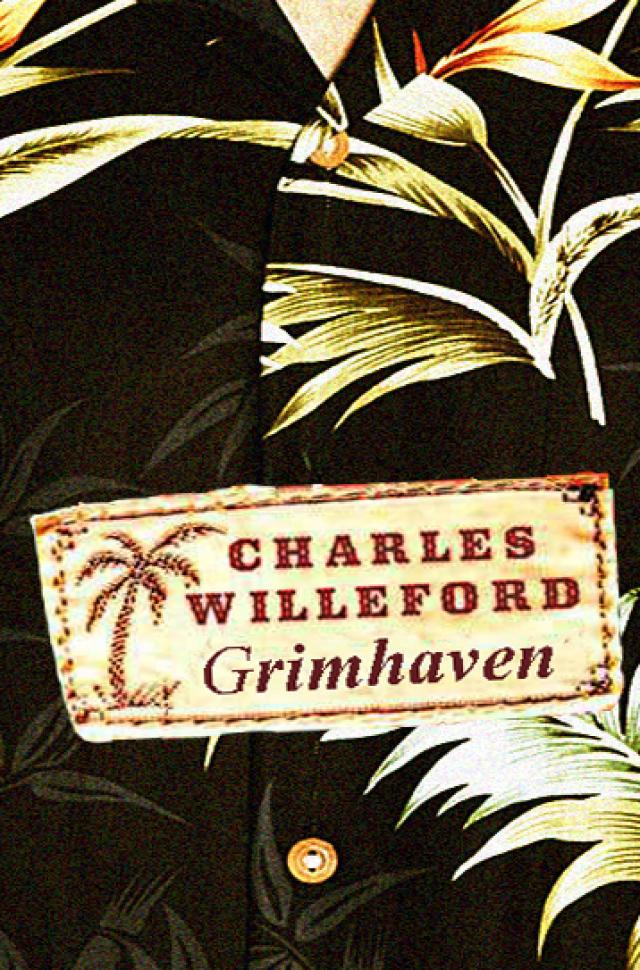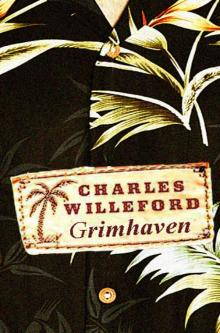
A compelling and disturbing alternate sequel to Miami Blues, Charles Willeford's little-known attempt to torch his career in less than 200 pages is a small masterpiece of pitch black humor, existential dread and true absurdist horror.Hoke Moseley has simplified his life. Following the bloody climax of Miami Blues he has run as far away as he can from the second bullet he put in Freddy Frenger, the one that took the killing past self-defense. He's quit the Miami Police Department and relocated to Singer Island to work in his father's hardware store and live a monastic life of rigid routine. He has two poplin yellow jumpsuits, $100 a week income, a small apartment, no booze, no cigarettes, a stew for dinner every night and a beachfront exercise regimen. A simple existence. Until the arrival of his two teenage daughters, the girls he hasn't seen in ten years, who permeate and complicate every aspect of his streamlined austerity -- which turns out to be the only thing holding him together.Grimhaven was Charles Willeford's initial response to the solicitation of a sequel to the surprise success of Miami Blues. Not even shown to publishers before calmer heads prevailed and Willeford steered Hoke through three subsequent novels, it remains a fascinating portrait of a writer who arrived at a commercial and artistic crossroads and took the dark and crooked path before doubling back and proceeding down safer lanes. But for a brief moment Willeford made his most popular, most commercial creation over in the tradition of some of his most complex and morally ambiguous characters, placing him squarely in his darkly drawn rogues gallery alongside Russell Haxby, Harry Jordan, Sam Springer, Jacob Blake, James Figueras, Johnny Shaw and finally, by the end, Freddy Frenger.Ray Banks called it "the ultimate transgressive novel." Lee Goldberg called it "a calculated fuck you to the character, the publisher, the readers and his career." Betsy Willeford simply called it "the black Hoke Moseley" novel. It's an often chilling, often hilarious, nearly lost act of aggression from one of American literature's authorities on the subject.
Read online